
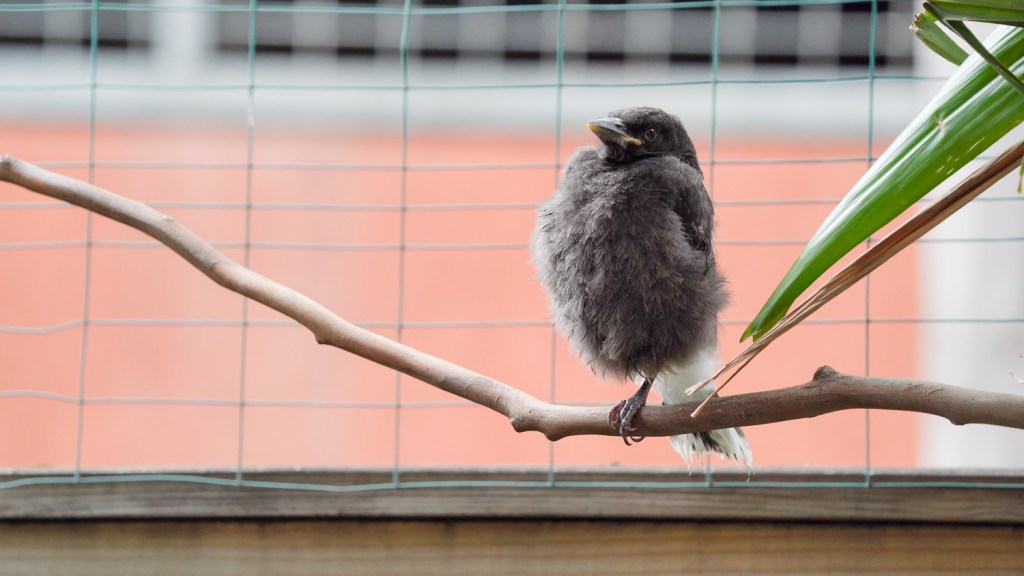
Currawong is a short, observational documentary, capturing an intimate portrait of the daily lives of a pair of Pied Currawongs, that are challenged to raise a family through a difficult breeding season.
If you are interested in learning more about this film, check out the film now on YouTube and insights behind the scenes on this website.
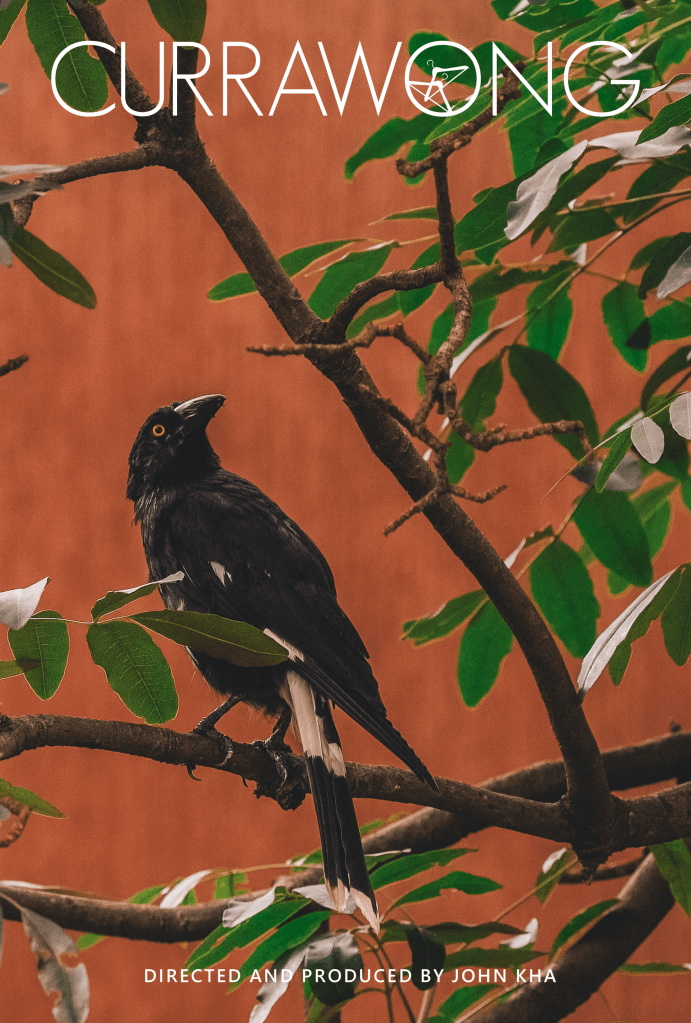
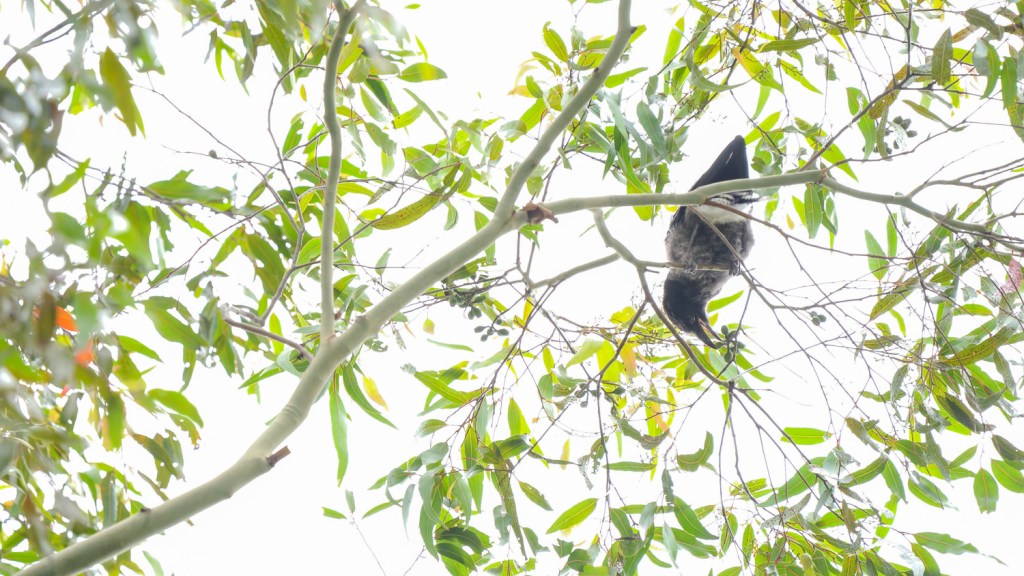
Currawong was shot entirely from my backyard in Sydney, over a 5 month period, when COVID-19 restrictions coincided with the typical breeding season for birds. The film observes the daily habits of a pair of Pied Currawongs that nested in my backyard, and the challenges they encounter raising a new family.
I created this film with the hope that it stirs a curiosity, raising awareness and appreciation for the important biodiversity that exists in our very own backyards. I was in awe of the daily challenges experienced by this family of Pied Currawongs during extreme weather events and felt privileged by the opportunity to capture and share their story.
Watch A TEASER
…or watch the short film now on Youtube! Please do leave a comment as I’d love to hear reviews of the film.
PRODUCTION
Production Notes and Trivia
- Over 100 hours of field observations were made over a 5.5 month period. Most observations were made early in the early morning and late in the afternoon through to sunset.
- Over 20 hours of footage was captured, logged, reviewed, categorised, and compiled into the first rough cut of the film, at 64 minutes in duration.
- The final version of the short film was condensed to under 17 minutes.
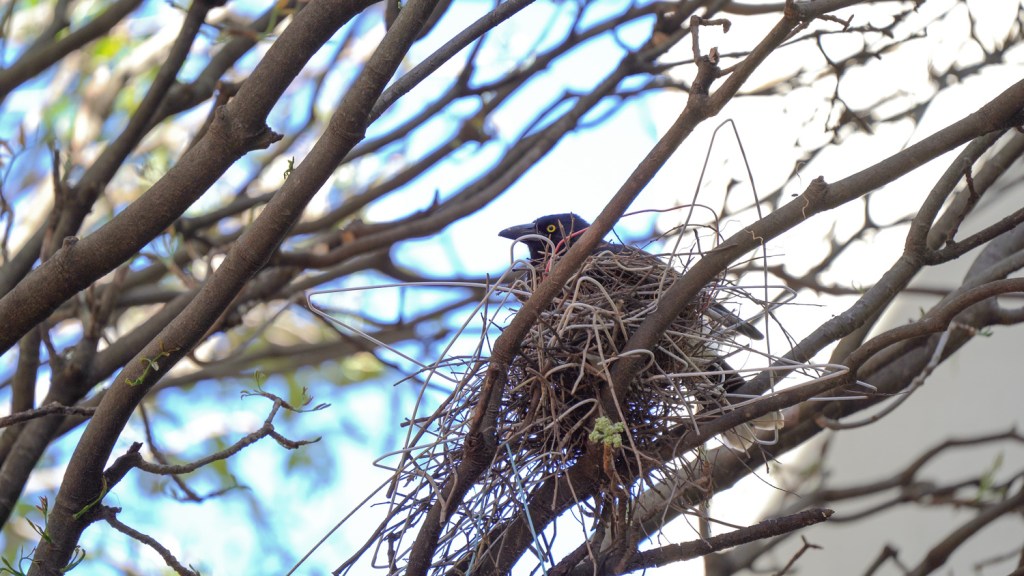
- The core of the nest consisted of approximately two dozen, wire coat hangers.
- The nesting currawongs had a preference for white coat hangers for the nesting material, or perhaps the original owners did?
- The nest is also made up of electrical cables, and natural nesting materials such as dried twigs.
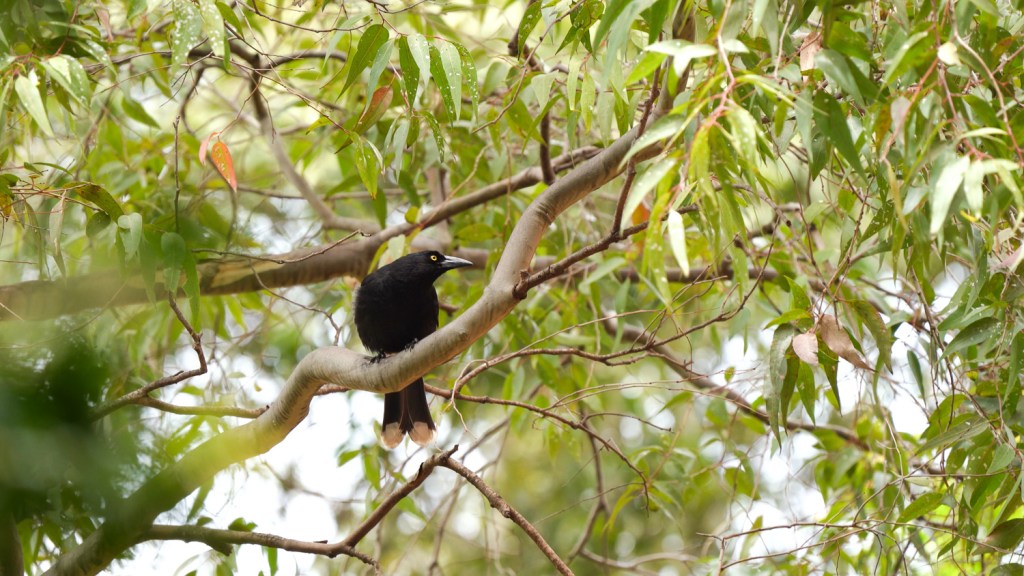
- The female Pied Currawong in the film can be identified by her shorter beak and less scruffy-looking facial feathers. The male Pied Currawong in the film can be identified by his longer beak, and his scruffy-looking facial feathers
Learn more about making the film, field notes captured and what occurred behind the scenes.


Spread the Word
Sharing this short film with your networks would be greatly appreciated to raise awareness and hopefully inspire meaningful conversations, thoughts and actions.
LEARN MORE & Participate
Hopefully the film has piqued your interest and curiosity on the world around us! These resources and activities may help you learn and contribute more to biodiversity, urban ecology and a better future.
1. start bird watching
eBird (Global) – Keep track of your bird lists, photos, and sounds. Explore the latest sightings from around the world and is the largest birding community. Your observations contribute to science and conservation with data used by researchers.
Merlin (Global) – Identify the birds you see or hear. There’s a free global bird guide with photos, sounds, maps, and plenty more. Created by The Cornell Lab of Ornithology. Great for bird watching.
2. Help create a better future
Birdlife Australia – If you want to know more about Australia’s native birds, or to help create the best possible future for Australia’s birds and their habitats, visit Birdlife Australia for comprehensive resources about birds, creating a bird friendly backyard or participating in the Great Backyard Bird Count.
WIRES (Australia) – Visit the WIRES website for more information if you find a sick, injured or orphaned native animal. WIRES mission is to actively rehabilitate and preserve Australian wildlife and inspire others to do the same.
Press Contacts
Please visit the Electronic Press Kit for more information, or contact me directly below for any enquiries.


 John Kha