Exploring Korea: Korean Demilitarized Zone

Series Info: 2015 · Canon EOS 60D · Canon EF-S 17-55mm f/2.8 IS USM · Korean Demilitarized Zone

The Korean Demilitarized Zone (DMZ) was established in 1953 following the Korean War as part of the Korean Armistice Agreement. It is a buffer zone jointly bordered by North and South Korea, with military presence along their respective sides.
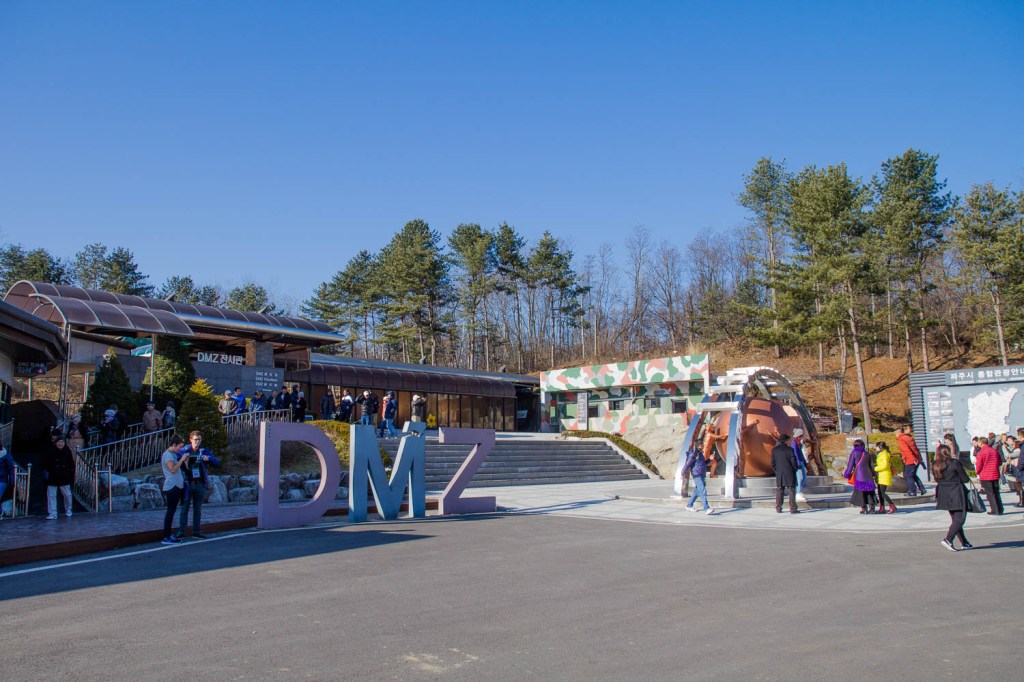
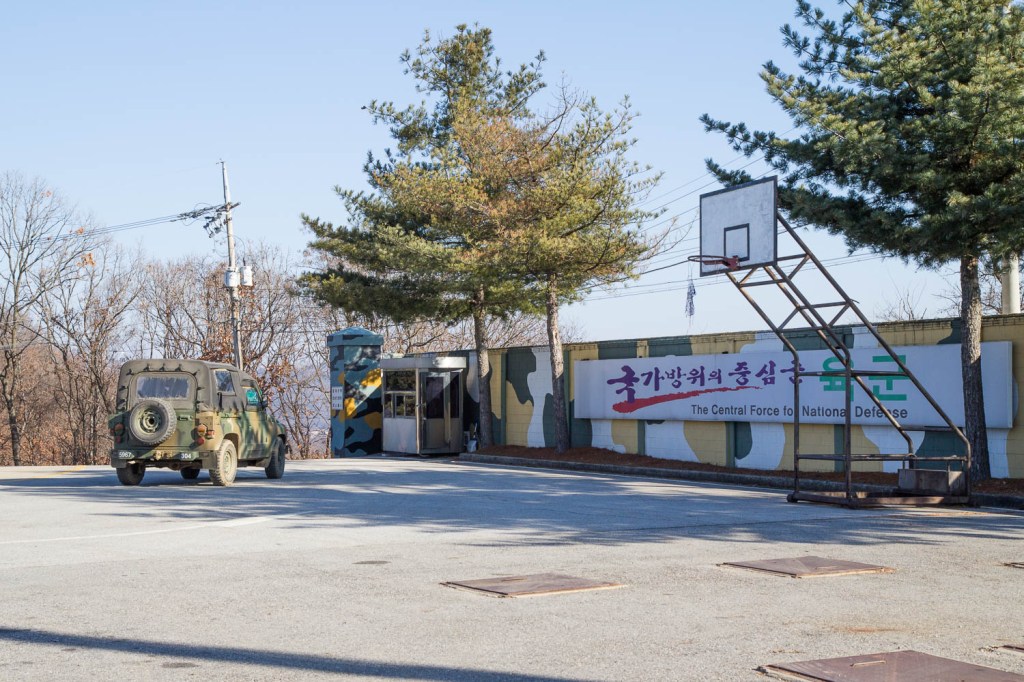
A fortified security checkpoint within the DMZ.
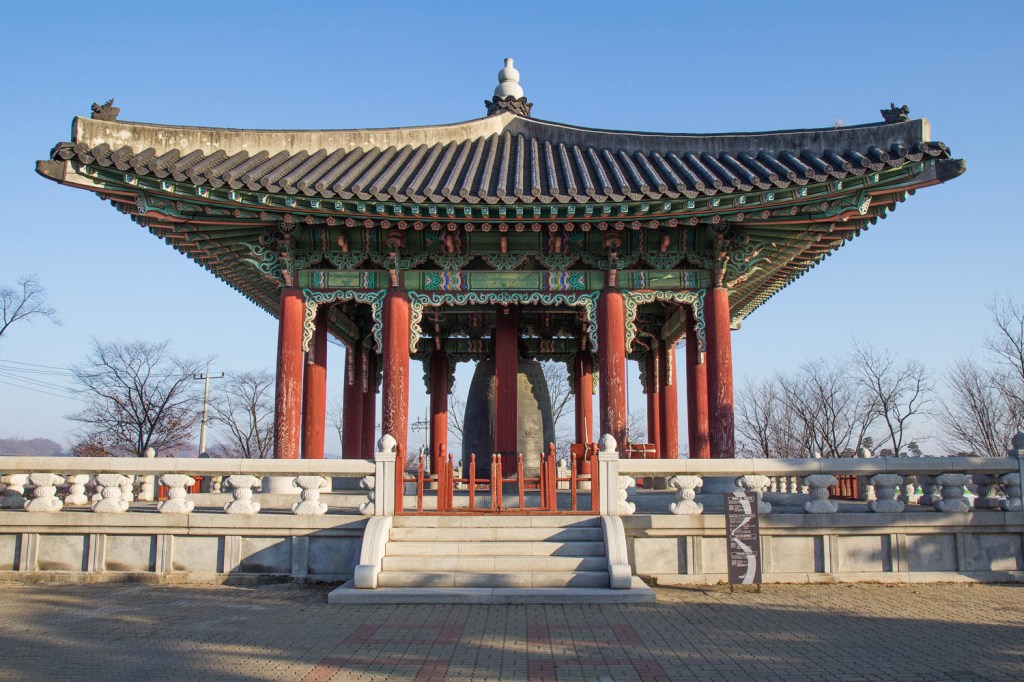
Peace Bell pavilion located at Imjingak Park near the Demilitarized Zone (DMZ) in Paju, South Korea. Built in 2000, symbolising the 21st century and the hope for national reunification.
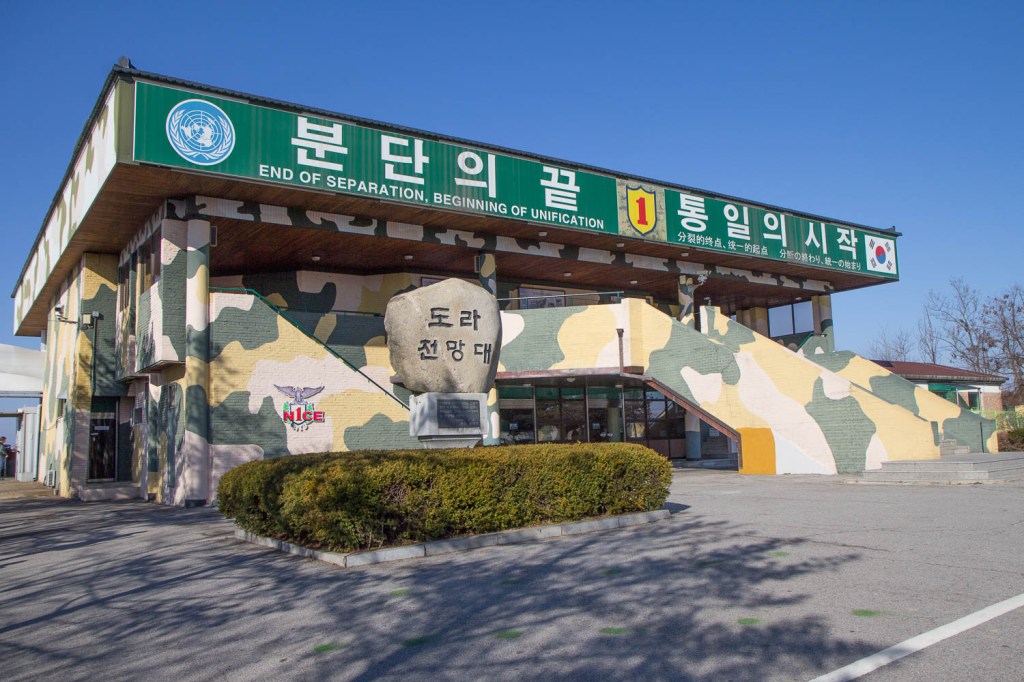
The Dora Observatory, a critical military observation post located on Mount Dora on the South Korean side of the DMZ. It is the closest South Korean outpost to the North.
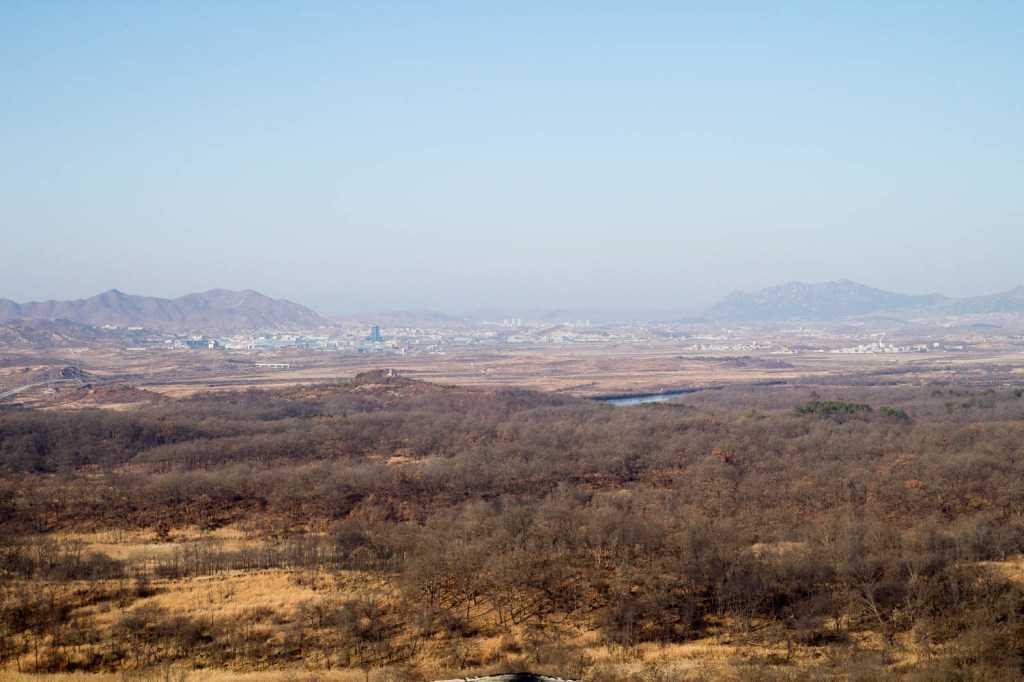
A landscape view of the Kaesong Industrial Complex, a former symbol of cooperation launched in 2004. A joint economic venture allowed South Korean manufacturing companies to operate factories in North Korea. The tall blue building is a 15-story building built by the South Korean government to serve as an administrative and operational headquarter for the zone. The complex was shutdown by South Korea in 2016 following North Korean nuclear and missile testing.
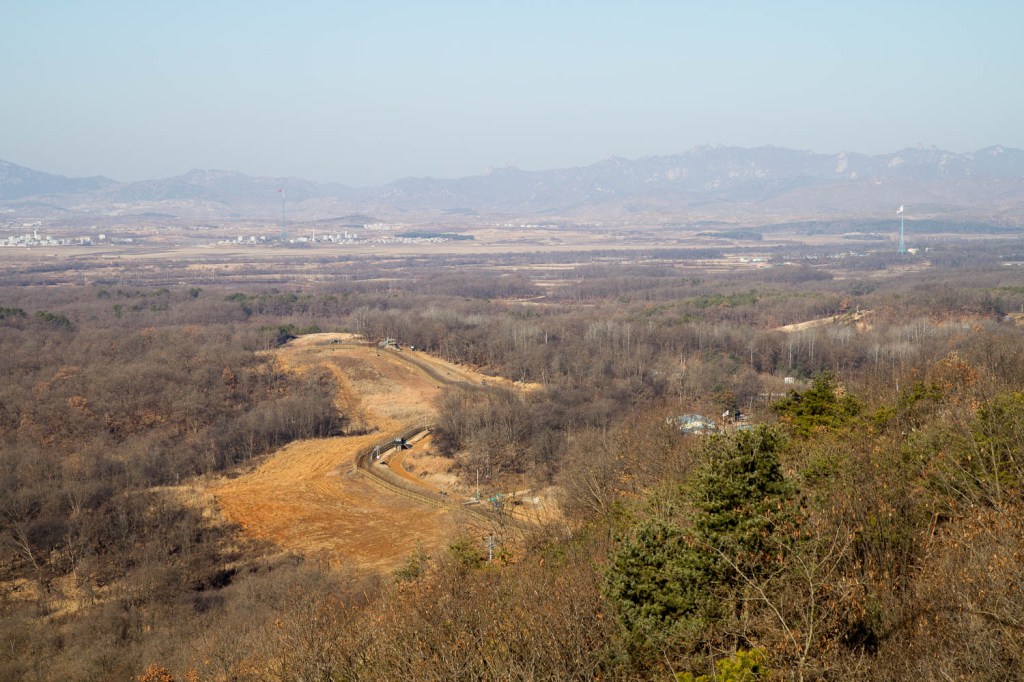
A landscape view of both North Korea and South Korea. On the left is Kijong-dong (also known as “Propoganda Village” or “Peace Village” outside of North Korea) located inside the North Korean half of the DMZ. The tall tower on the left is the Panmunjom flagpole, standing at 160 metres (525 feet). It was built in the 1980s to outdo the 98.4m South Korean flagpole seen on the right in Daeseong-dong, sparking the “Flagpole War”.

The North Korean government says the village contains a 200-family collective farm, however it is widely considered an uninhabited settlement built in the 1950s to encourage South Korean defection.
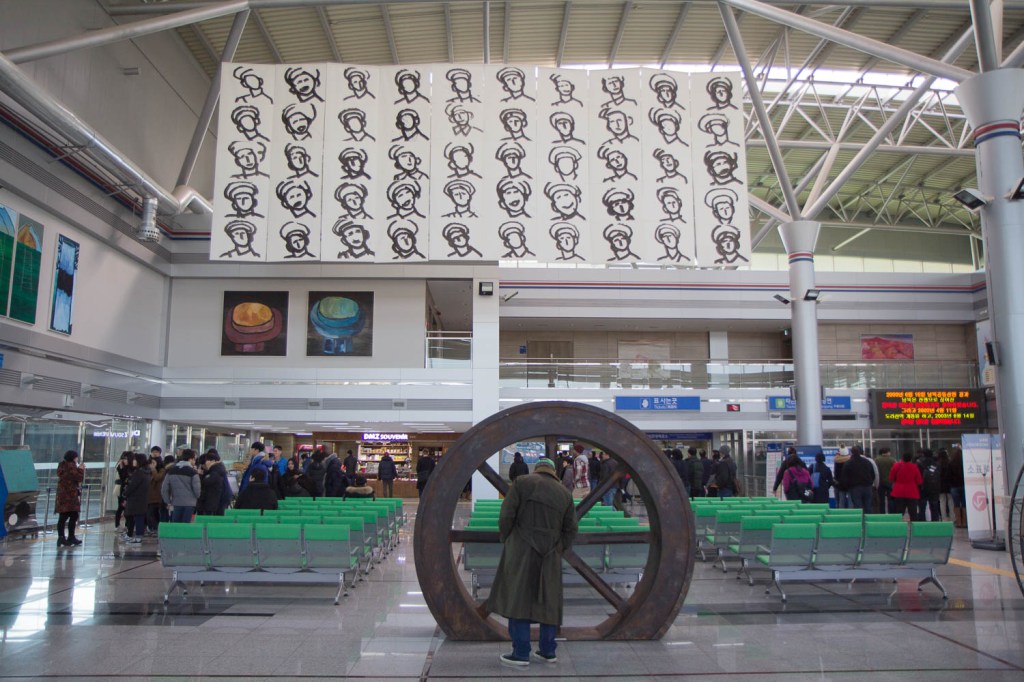
The interior hall of Dorasan Station, a railway station near the DMZ was built to symbolise the hope for future Korean reunification and to eventually connect the railway networks of South and North Korea.
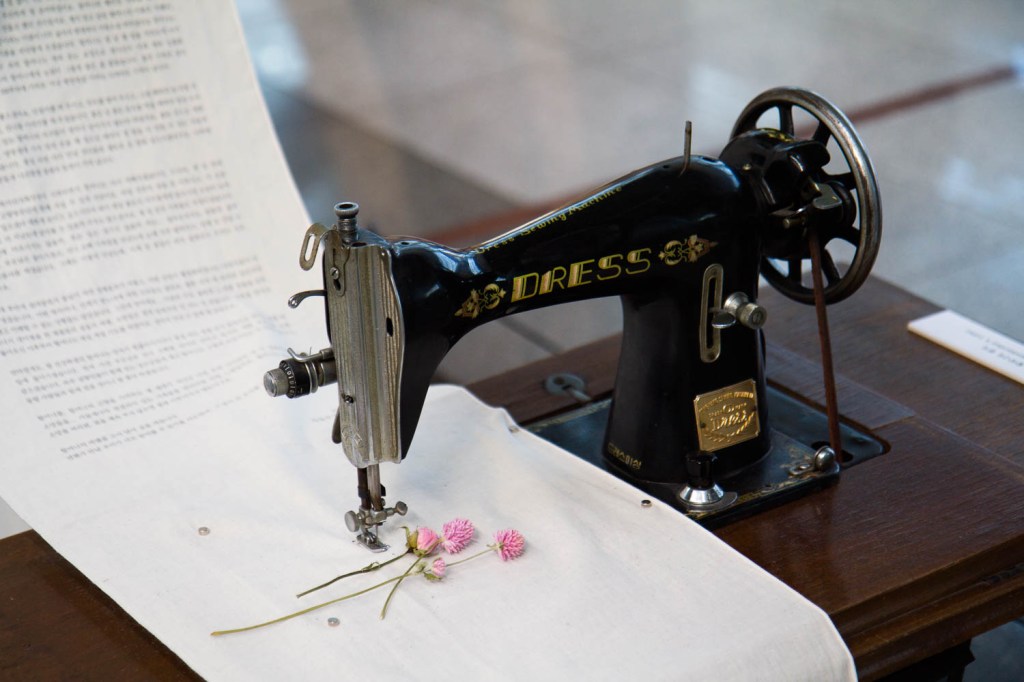
The Fabric of Peace is a long roll of white fabric fed through the vintage Dressmaker sewing machine and is a unification poem handwritten in Korean script. The act of sewing the fabric represents the effort to stitch back the divided Korean Peninsula.